Criminalization of Race and Poverty
The Criminalization of Poverty project aims to encourage and influence policy that moves us from intersectional injustice into intersectional justice. The criminalization of poor people happens at the intersectional oppressions of race, class, ability, and gender identity. Poverty is a policy choice in the U.S., but it doesn’t have to be this way.
Criminalization of poverty has increased significantly in the U.S. in recent years. A broken taillight, an unpaid parking ticket, truancy or minor misbehavior in school, expressing one’s gender, a minor drug offense, sitting on a sidewalk, or sleeping in a park can all result in jail time.
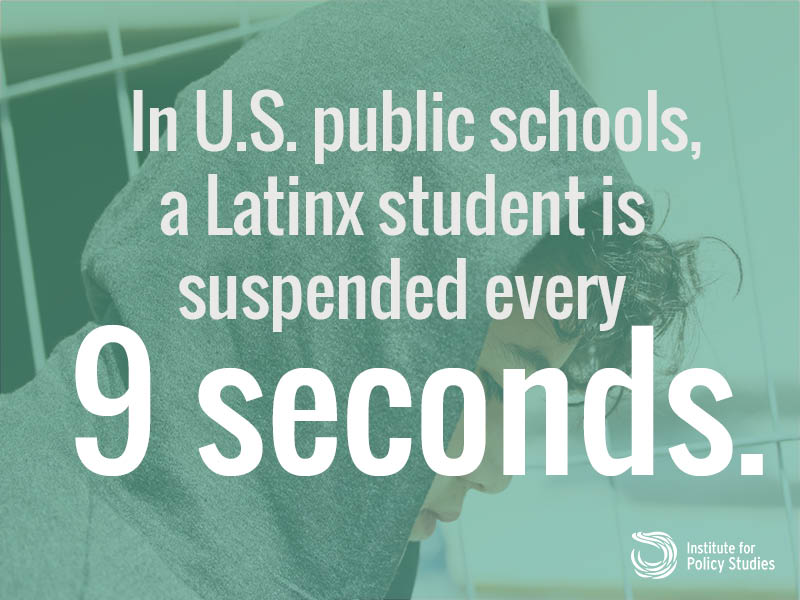
The criminalization of poor people happens at the intersectional oppressions of race, class, ability, and gender identity. The criminalization of children is especially inhumane, and disproportionality affects low-income Latinx and Black youth, LGBTQIA children, and children with disabilities. The school-to-prison pipeline is a significant factor in removing opportunities for self-fulfillment, education, and employment, often creating and perpetuating poverty.
The prevailing narrative that poverty is due to a personal failing is false. Poverty is a policy choice in the U.S. Adverse effects of poverty put children at life-long risk. It doesn’t have to be this way. We need robust public investments in children and families.
By working closely with impacted people, we help them tell their stories, conduct research and report on the various components of these injustices, and support movements on the ground and advocacy coalitions. The Criminalization of Poverty project aims to encourage and influence policy that moves us from intersectional injustice into intersectional justice.
Latest Work
Subscribe to this issue
Reports
-

Racial & Gender Justice
Making Schools Safer with Restorative Justice
Introduction In Riverside County, California, a School Resource Officer was alerted to a confrontation between two students a block from their school. When the armed officer arrived on the scene,…
-
Economic Justice, Racial & Gender Justice
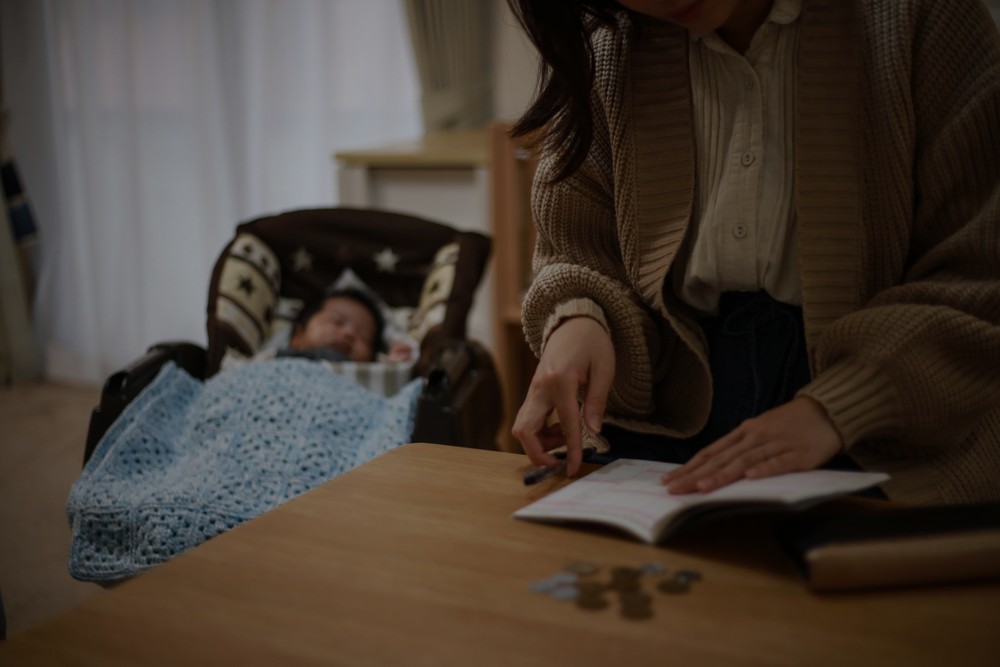
A Perfect Storm: How Federal Policy Changes Are Increasing Economic Insecurity for America’s Families
Policy choices are pushing millions of people into increasingly precarious conditions.
-
Peace & Foreign Policy
The IPS Iran Reader
A one-stop guide to IPS work on the crisis in Iran and the wider Middle East. Updated periodically.
-
Racial & Gender Justice
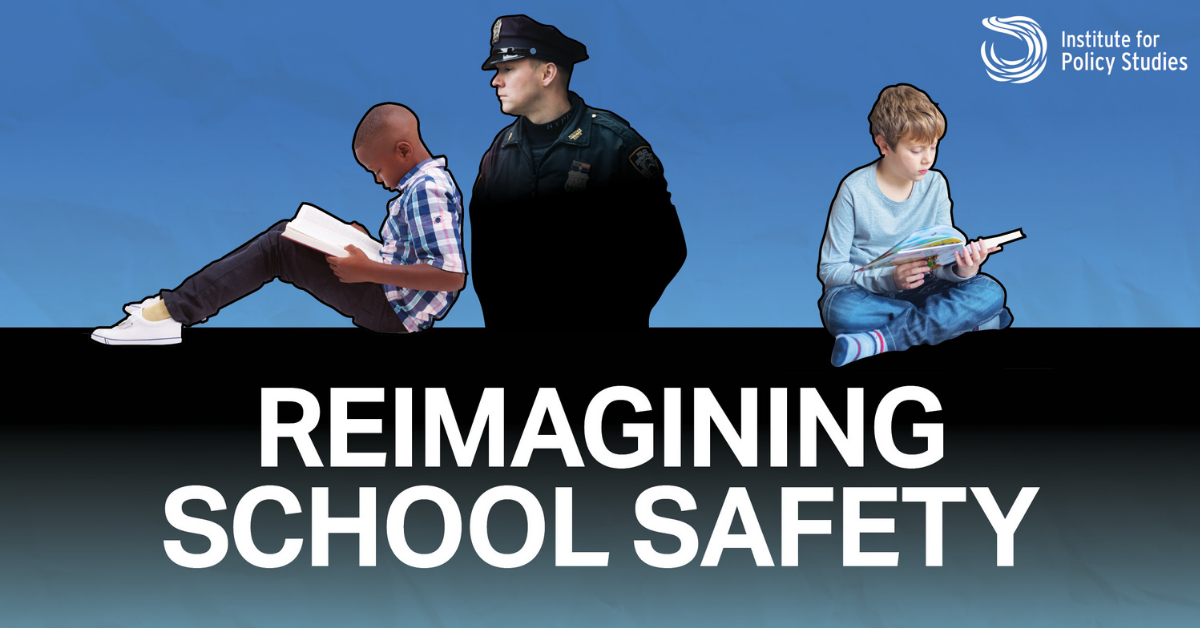
Reimagining School Safety
A look at the dangers posed to students by law enforcement and how to invest in real school safety for our nation’s children.
-
Economic Justice, Racial & Gender Justice
Report: Students Under Siege
How the school-to-prison pipeline, poverty, and racism endanger our school children
-
Economic Justice, Racial & Gender Justice
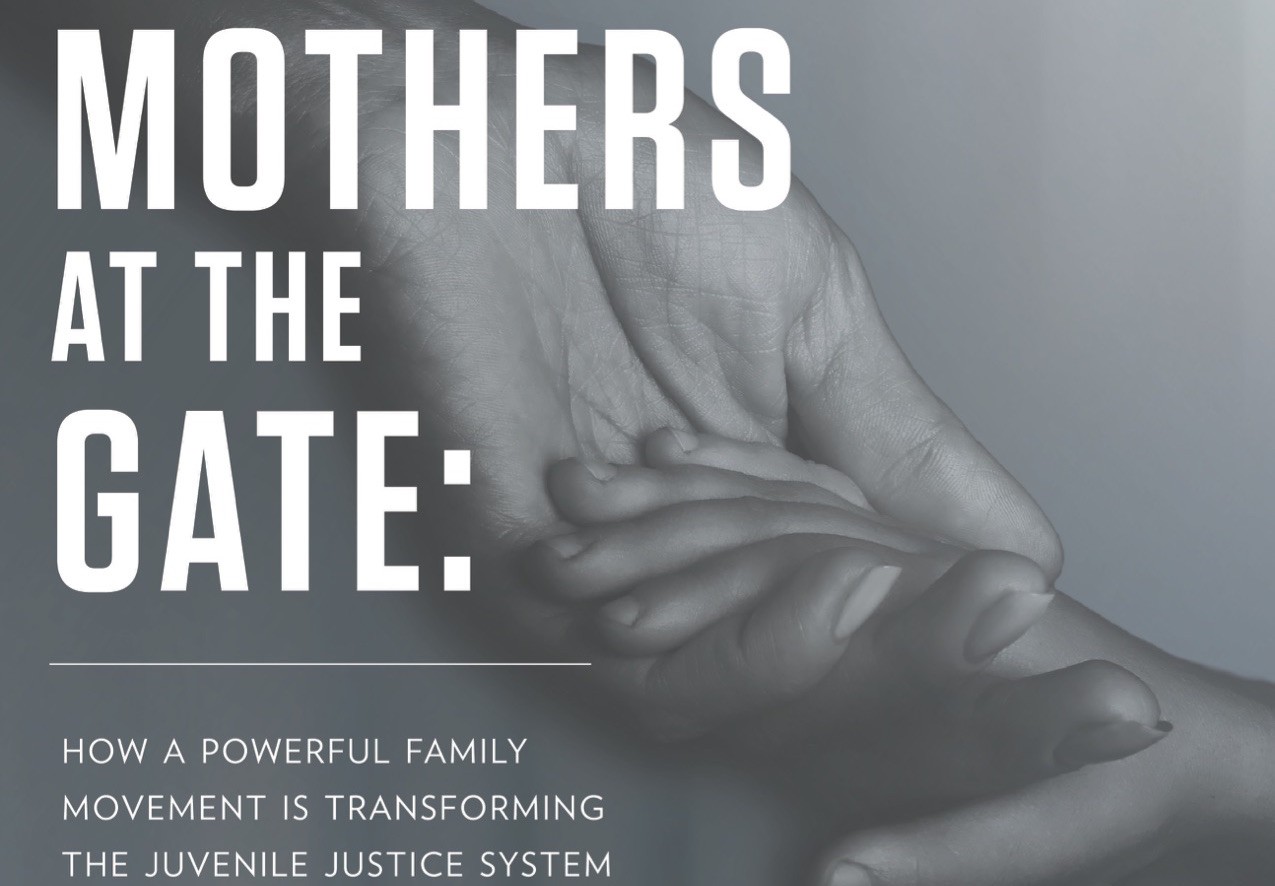
Report: Mothers at the Gate
A movement of family members is developing around the country that aims to challenge both the conditions in which their loved ones are held and the fact of mass incarceration itself.







Criminalization of Race and Poverty in the news
More than 250 Organizations Urge the House to Prioritize Children’s Safety in FY26 DHS Appropriations Vote
Sanho Tree Discusses U.S. Foreign Policy, Drug War History, New Marijuana Scheduling
WE DECIDE: AMERICA AT THE CROSSROADS

Talkies: "Budgets are moral documents"

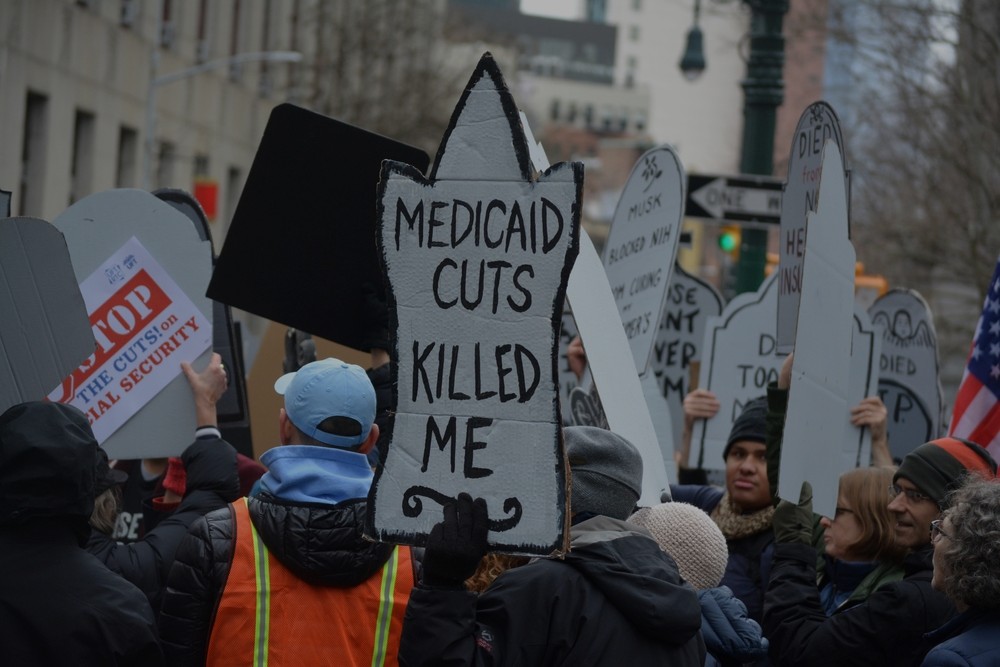
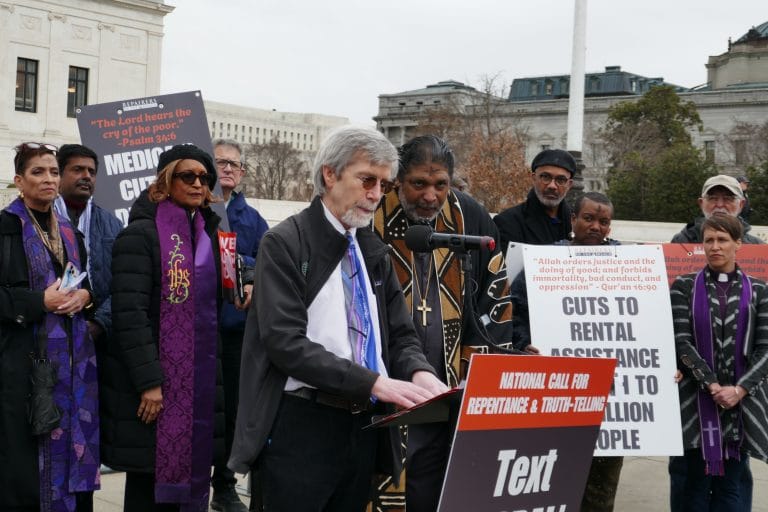
High Moral stakes of Proposed cuts to Federal Programs

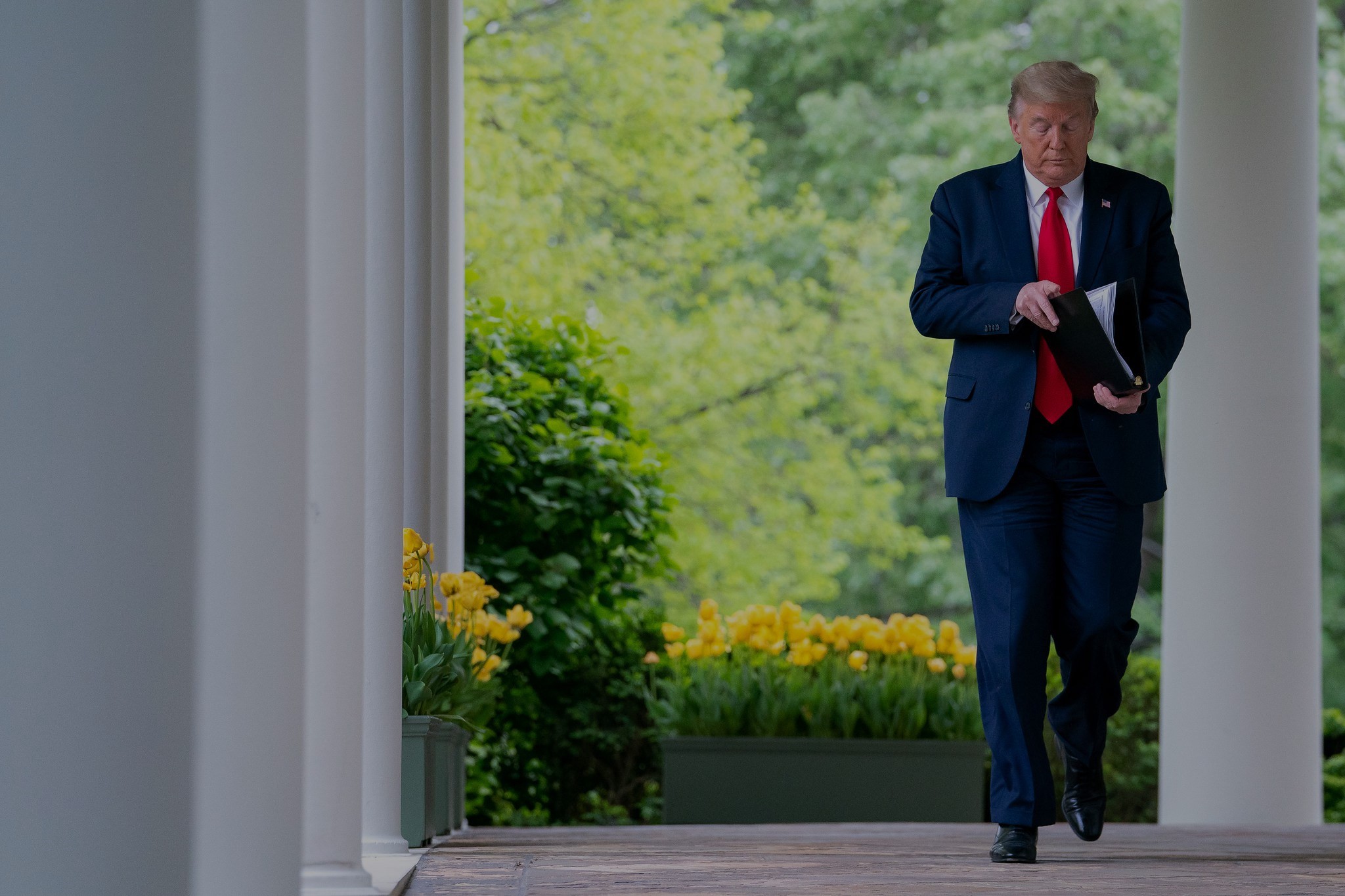
Current Budget Cuts Show Lack Of Morality/Support Of Poor

Help IPS turn progressive policy ideas into action
Unlike many research organizations, we’re not bankrolled by big corporations or any part of the government. As an ally to people-powered movements, we have to be people-powered ourselves. When you make a one-time gift or a monthly donation, you help build the better future we all want.