
Our Reports

REPORT: Who Is Lobbying against Common-Sense Charity Reform?
Meet the foundations, donor-advised fund sponsors, and community foundations spending money and time to defend the indefensible status quo.

REPORT: The True Cost of Billionaire Philanthropy
New analysis details how the ultra-wealthy use charitable giving to avoid taxes and exert influence, while ordinary taxpayers foot the bill.
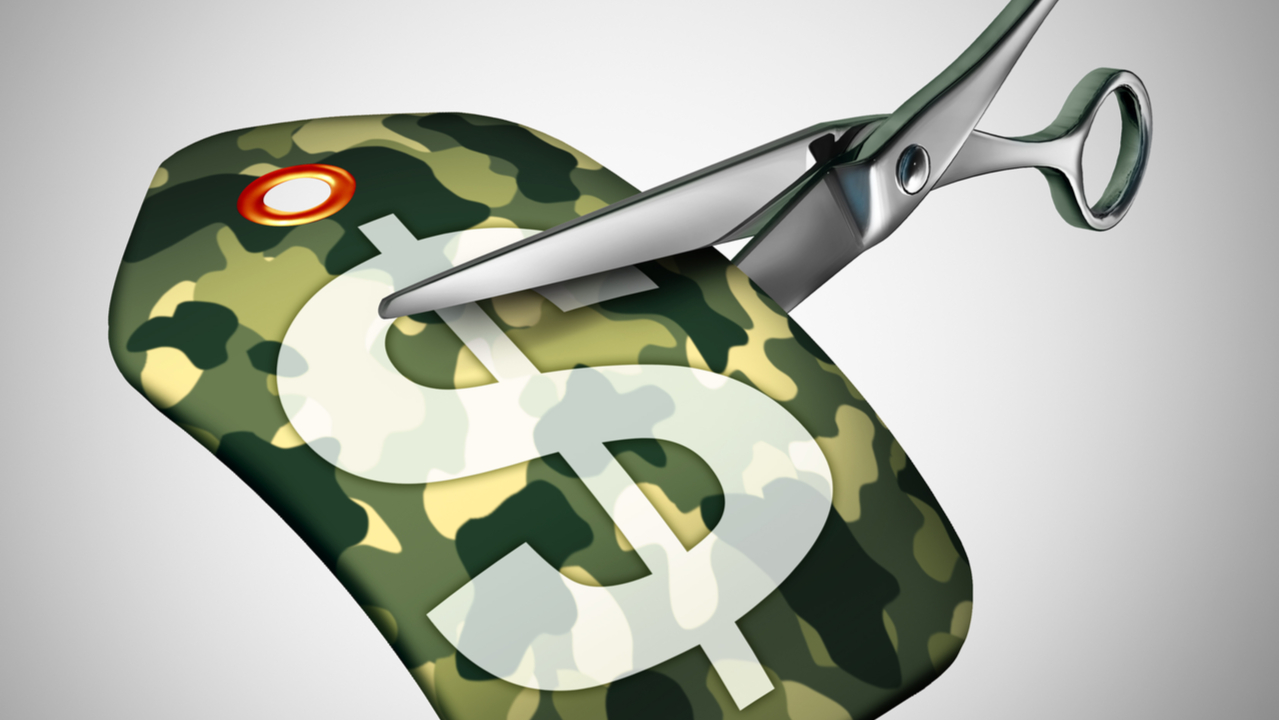
FACT SHEET: Invest in Communities, Not Violence
Here’s how legislators have splurged on militarism, and what could happen if those funds instead benefited people and communities.
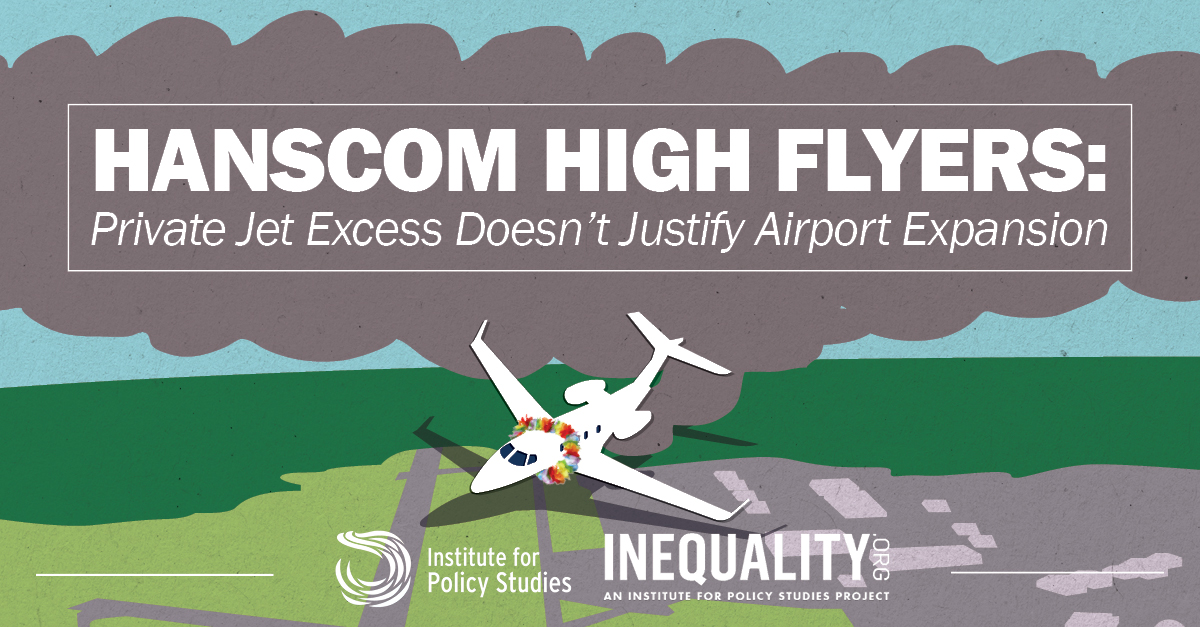
REPORT: Hanscom High Flyers
Private jet travel is a monumental example of private excess at public expense. Here’s a local case study.

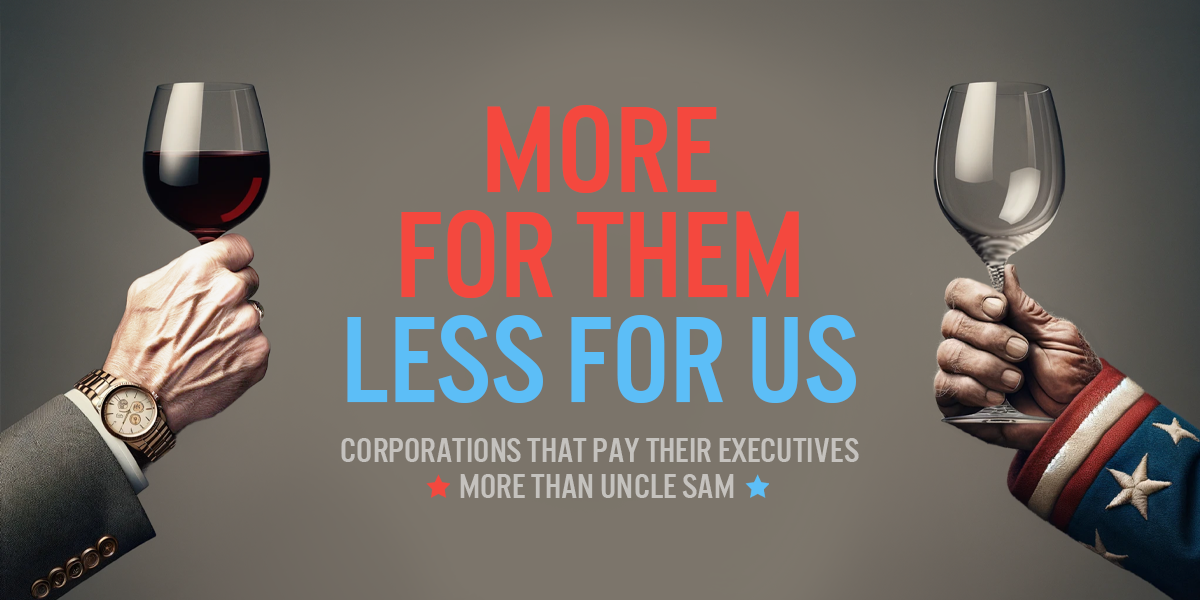
REPORT: Executive Excess 2023
These “Low Wage 100” large corporations are enriching CEOs at the expense of both workers and taxpayers.
REPORT: Still A Dream: Over 500 Years to Black Economic Equality
60 years after the March on Washington for Jobs and Freedom, the racial wealth divide persists.
REPORT: The Warfare State: How Funding for Militarism Compromises Our Welfare
Nearly two-thirds of the federal discretionary budget goes to militarized federal programs, leaving just over a third for our communities — a sliver some lawmakers want to cut even further.
REPORT: A Tale of Two Retirements 2023
Our tax code helps CEOs retire in luxury while ordinary workers struggle. Here's how to fix it.

Report: High Flyers 2023: How Ultra-Rich Private Jet Travel Costs the Rest of Us and Burns Up the Planet
In this report, we assess the environmental, economic, and security risks of private jet travel — and lay out tax reforms to offset them.

REPORT: Sending Arms or Twisting Arms: The U.S. Role in the Ukraine War
This backgrounder explores the causes of the war in Ukraine and the actions of different actors in the conflict to date.

Wall Street Bonuses Decline But Still Dwarf Worker Pay Increases Since 2008 Crash
Since 2008, the average Wall Street bonus has climbed by more than 75 percent, compared to just a 54 percent increase in average earnings of all private sector workers and a 42 percent rise in manufacturing wages. If the minimum wage had increased as much as Wall Street bonuses since 1985, it would be worth $42.37 today.
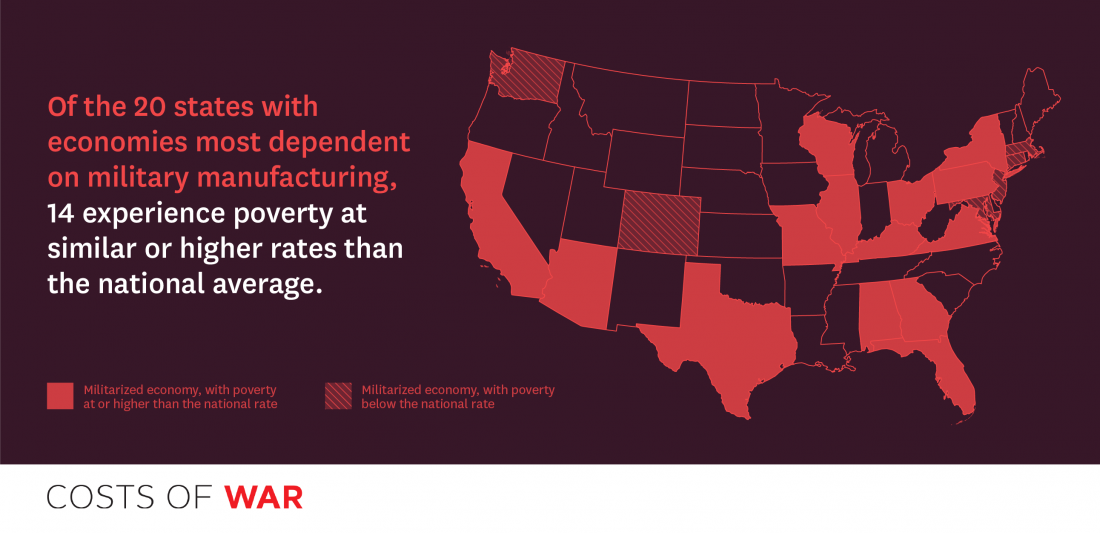
From a Militarized to a Decarbonized Economy: A Case for Conversion
In a new analysis for Costs of War, IPS Associate Fellow Miriam Pemberton lays out a case for a transition from a militarized to a decarbonized economy.

Report: “Extreme Wealth: The growing number of people with extreme wealth and what an annual wealth tax could raise”
An annual wealth tax on the world’s richest could raise $1.7 trillion globally.
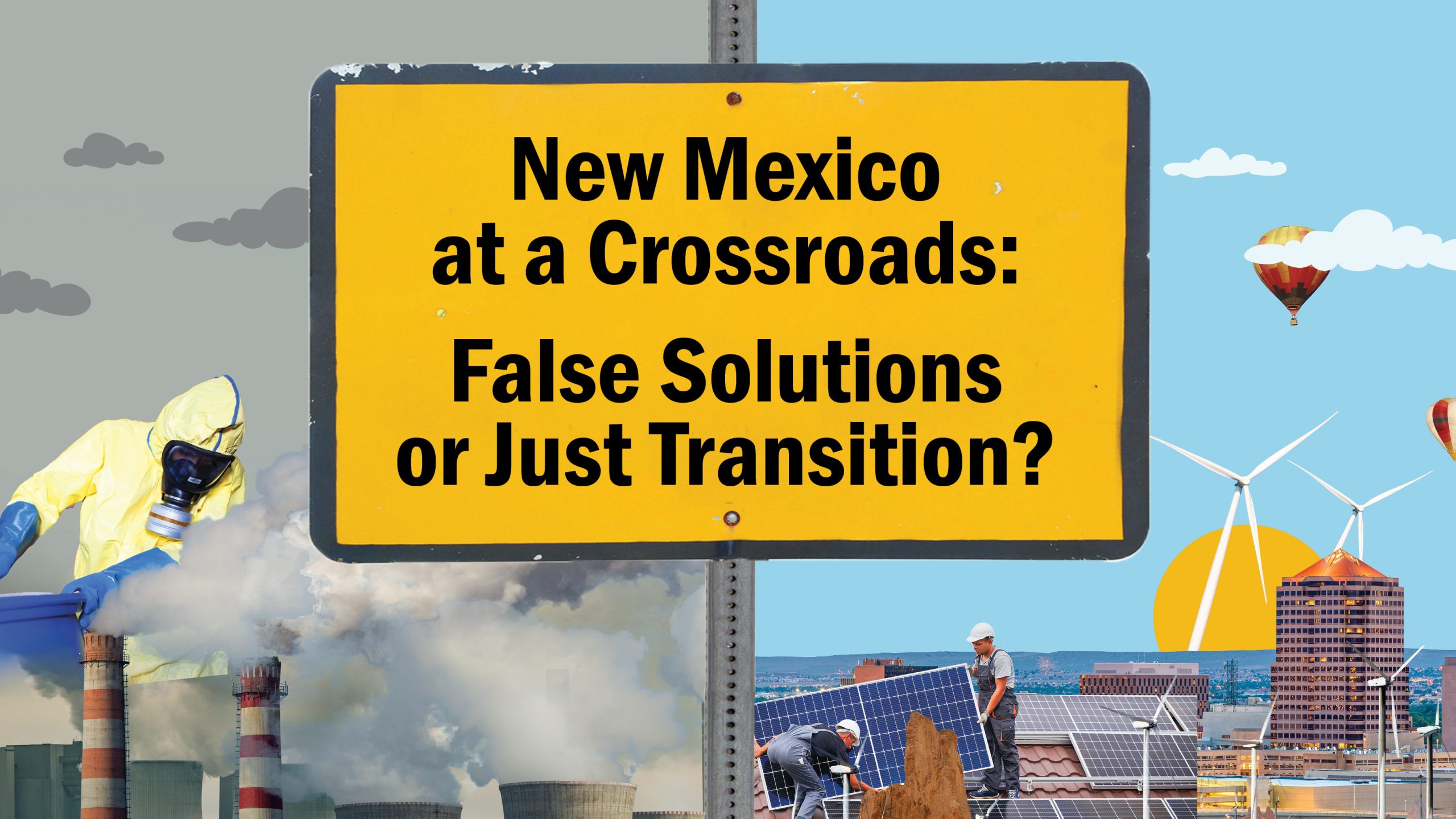
REPORT: New Mexico at a Crossroads: False Solutions or a Just Transition?
How community-led energy solutions can benefit the Land of Enchantment — and the country.
REPORT: Homecoming: The Greater Birmingham Community Speaks on Regional Cooperation and a More Inclusive Economy
Greater Birmingham, AL, has experienced a resurgence in economic growth and civic engagement. Yet the benefits of this prosperity are not widely shared.


IPS Brief: Mining Companies Use Trade Agreements to Attack Indigenous Rights in Colombia and Beyond
With our allies, we've prepared a legal brief to support the Wayúu people’s rights to water, health, and food sovereignty in Colombia.
Report: Gilded Giving 2022
Our nation’s charitable system is in danger of becoming a taxpayer-subsidized platform of private power for the ultra-wealthy.

The Other Side of the Storm
What Do Black Immigrant Domestic Workers in the Time of Covid-19 Teach Us About Building a Resilient Care Infrastructure?

Bay State Billionaires
Massachusetts billionaires' wealth surges 46 percent during the COVID-19 pandemic.

Executive Excess 2022
The CEOs at America’s largest low-wage employers are grabbing huge raises while workers and consumers struggle with rising costs.

Report: Taxing the World’s Richest Would Raise $2.52 Trillion a Year
A new joint report from Fight Inequality Alliance, Institute for Policy Studies, Oxfam, and Patriotic Millionaires details what can be funded by simply taxing the rich.

New Mexico’s Case for Public Ownership of its Clean Energy Infrastructure
Any energy transition that doesn’t guarantee a pathway to public ownership perpetuates inequality and wealth extraction from New Mexicans .


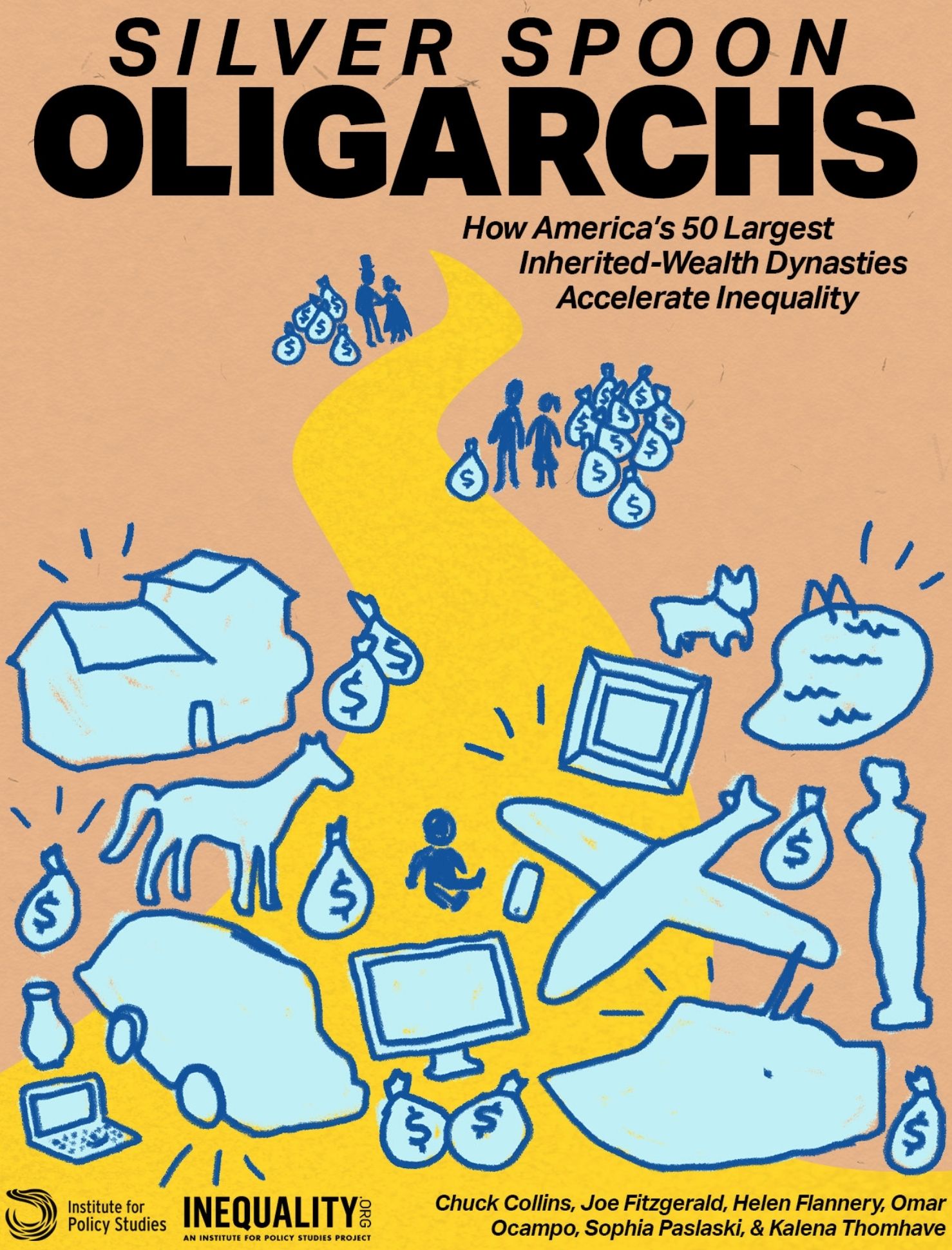
REPORT: Silver Spoon Oligarchs
How America’s 50 Largest Inherited-Wealth Dynasties Accelerate Inequality
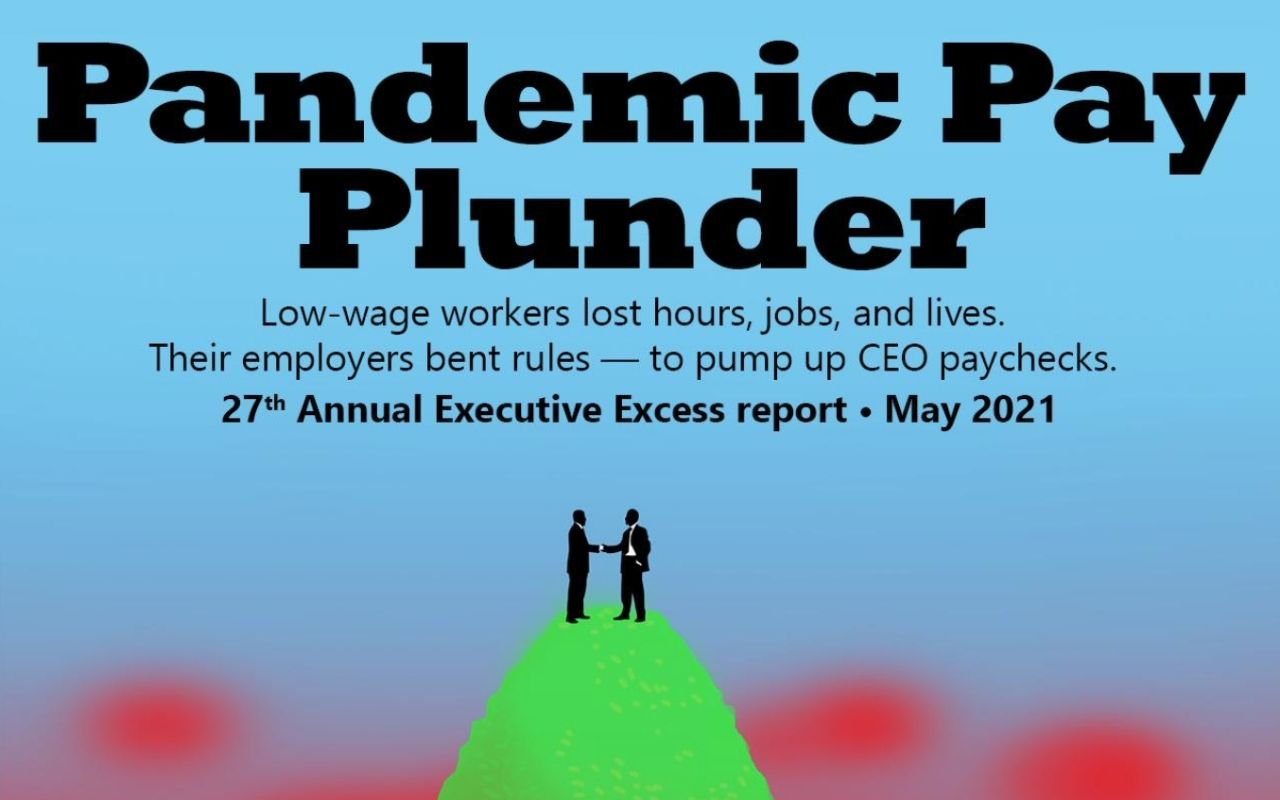
Executive Excess 2021
Low-Wage Workers Lost Hours, Jobs, and Lives. Their Employers Bent the Rules — To Pump up CEO Paychecks.
Community Hearing on Transit Equity 2021: Findings and Recommendations
Findings from the Transit Equity 2021 report highlight organizing successes, existing inequities, and policy solutions for U.S. public transit.
More reports >
Media Contact

Olivia Alperstein
Media Manager
olivia@ips-dc.org
(202) 704-9011